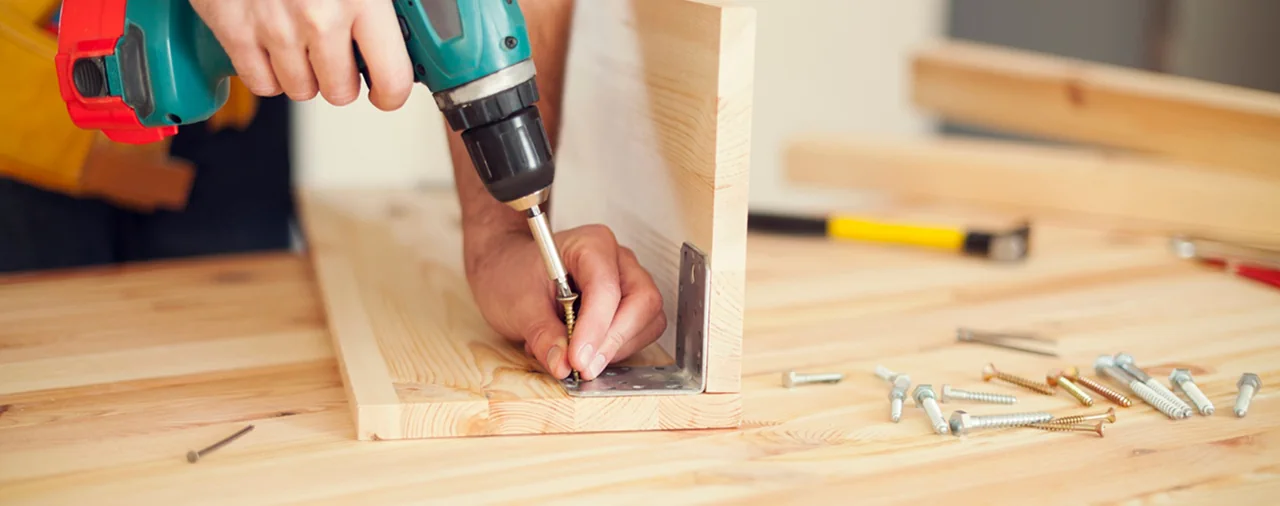



Choosing the right drill can be a challenge, especially for those starting their journey into DIY. In this article, we will present a comprehensive guide to help you make the right decision.
Types of drills - basic differences
There are various types of drills available on the market, each designed for different applications. Understanding their differences is the first step towards making the right choice.
- Hammer drill - ideal for working with concrete and masonry, it features a hammer function that makes drilling into hard materials easier.
- Cordless drill - a versatile tool for drilling and screwing, perfect for working with wood and metal.
- Rotary hammer - a professional tool for intensive work in concrete, with a powerful hammer mechanism.
- Cordless drill - offers mobility and convenience without the need for a power outlet.

Key technical parameters
When choosing a drill, it's important to pay attention to several key technical parameters that affect performance and comfort of use.
- Motor power - the higher the power, the easier it is to drill into hard materials. For home use, 500-800W is sufficient.
- Rotational speed - the ability to adjust speed allows you to tailor the tool to different materials.
- Torque - determines the force with which the drill can operate, important for screwing and drilling.
- Chuck type - a quick-release chuck significantly facilitates bit changes.
- Weight and ergonomics - a lighter tool means less fatigue during extended use.

Choosing the right drill can be a challenge, especially for those starting their journey into DIY. In this article, we will present a comprehensive guide to help you make the right decision.
Buying advice
Before making a purchase decision, it's worth considering several aspects that will help you choose the best drill for your needs.
Key questions before buying
- What materials will you be drilling most often?
- How frequently will you use the tool?
- Do you need mobility (cordless) or do you prefer more power (corded)?
- What is your budget and do you plan to expand your toolset?
Summary
Choosing the right drill is an investment that should be well thought out. Remember, the most expensive option is not always the best for your needs. The key is to understand your own requirements and match the tool's parameters accordingly.
We hope this guide helps you make the right decision. If you have any additional questions, feel free to contact our specialists or visit our physical store.